
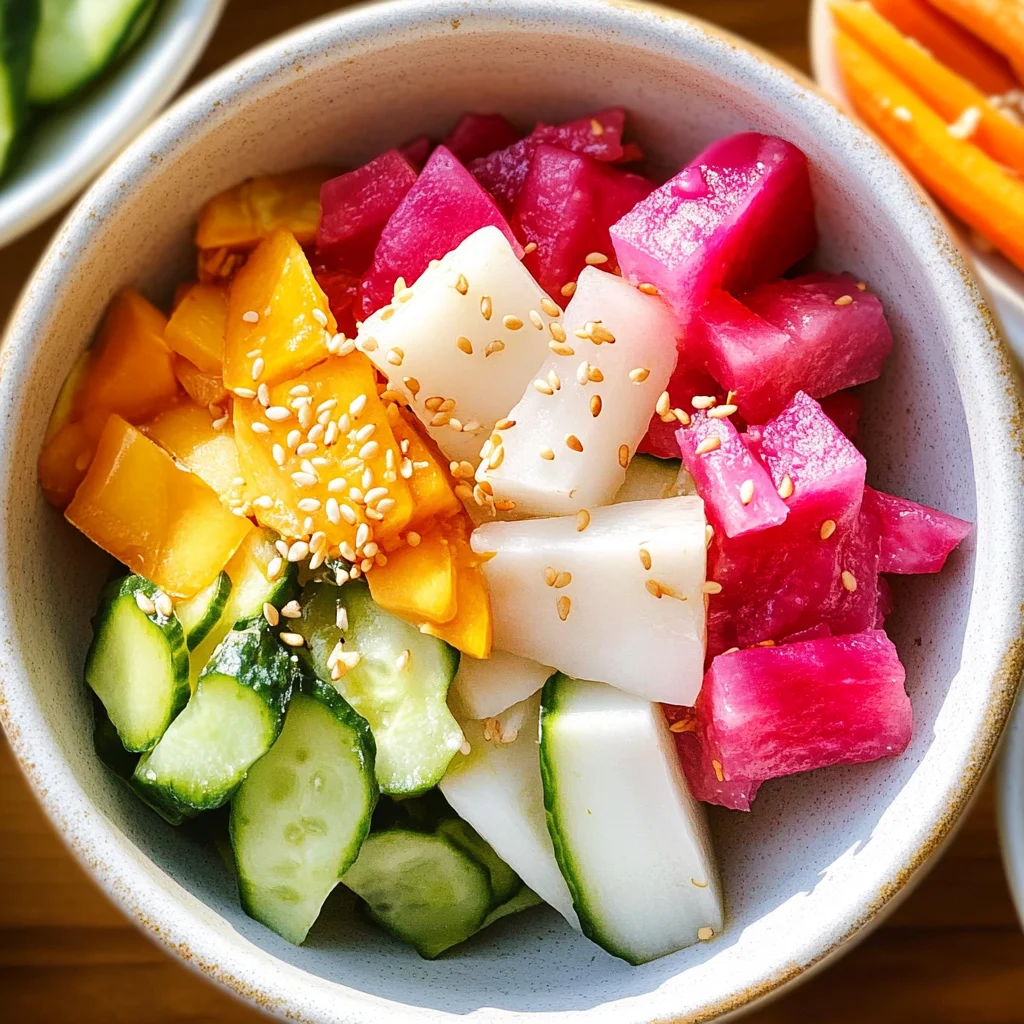
Japanese lightly pickled vegetables, known as Asazuke, are the perfect side dish for any meal. These colorful and crunchy veggies offer a refreshing burst of flavor, making them an excellent addition to lunch boxes, dinner plates, or even as a snack. Plus, they’re incredibly quick to prepare, ready in just one hour! The unique combination of ingredients allows you to customize them with exciting flavors like shiso leaves and yuzu zest.
Why You’ll Love This Recipe
- Quick Preparation: This Asazuke recipe takes only 15 minutes of active prep time, plus a minimal pickling wait.
- Versatile Flavor: You can adapt the vegetables based on your preference or what’s in season.
- Health Benefits: Packed with vitamins and low in calories, these pickles are a healthy addition to any meal.
- Ideal for Any Occasion: Whether it’s a casual lunch or a festive dinner, Asazuke fits seamlessly into any menu.
- Customizable Ingredients: Feel free to swap in different vegetables or add spices for a personal touch.
Tools and Preparation
To make this Asazuke recipe efficiently, you’ll need some essential tools. Having the right equipment ensures that your preparation is smooth and enjoyable.
Essential Tools and Equipment
- Digital kitchen scale
- Large mixing bowl
- Knife
- Cutting board
Importance of Each Tool
- Digital kitchen scale: Ensures you measure your ingredients accurately for consistent results every time.
- Large mixing bowl: Provides ample space for mixing the vegetables and brine comfortably without spilling.
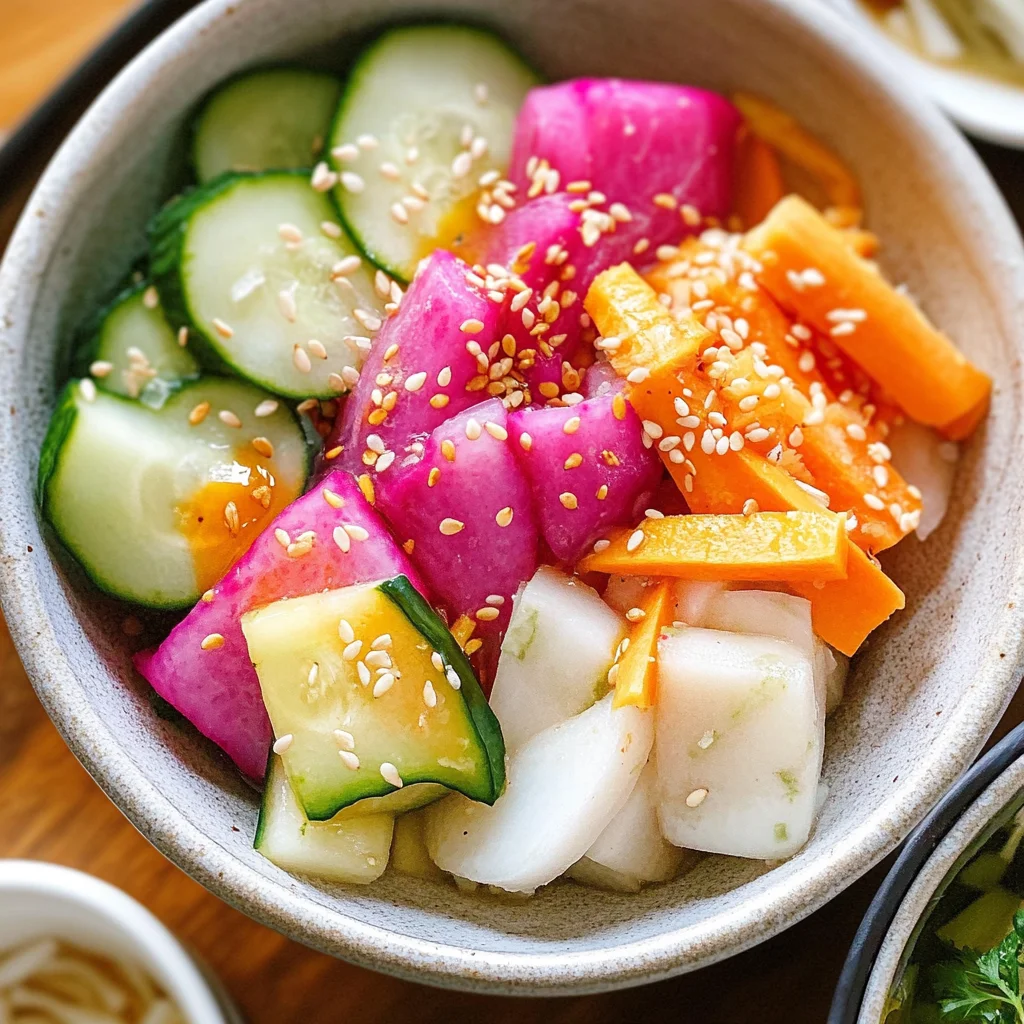
Ingredients
Here’s what you’ll need to create your delicious Asazuke:
For the Vegetables
- 4 leaves napa cabbage (11 oz, 300 g; or use green cabbage)
- 2 inches daikon radish (6 oz, 170 g; or use turnips or cauliflower)
- 1 Japanese or Persian cucumber (4.5 oz, 128 g)
- ½ watermelon radish (3.5 oz, 100 g; or use red radish)
- ⅓ carrot (1.6 oz, 45 g)
For the Brine
- Diamond Crystal kosher salt
- ½ tsp sugar
- 1 piece kombu (dried kelp) (1 x 2 inches or 2.5 x 5 cm per piece)
Optional Add-Ins
- 5 shiso leaves (perilla/ooba)
- Toasted sesame oil (for drizzling)
- Toasted white sesame seeds (for sprinkling)
- Yuzu zest
How to Make Asazuke (Japanese Lightly Pickled Vegetables)
Step 1: Prepare Your Ingredients
- Gather all the ingredients on your counter for easy access.
- Rinse and chop the vegetables into bite-sized pieces.
Step 2: Weigh the Vegetables
- Place your large mixing bowl on the digital kitchen scale.
- Zero out the scale before adding the chopped vegetables to measure their weight accurately.
Step 3: Mix the Brine
- In a separate bowl, combine kosher salt and sugar with enough water to dissolve them fully.
- Add the piece of kombu to infuse additional flavor into the brine.
Step 4: Combine Everything
- Pour the brine over the chopped vegetables in your large bowl.
- Toss gently until all pieces are well-coated.
Step 5: Let it Pickle
- Cover your bowl with plastic wrap or a lid.
- Allow it to sit at room temperature for at least one hour. For deeper flavor, consider letting it pickle overnight in the fridge.
Now you’re ready to enjoy your homemade Asazuke as a flavorful side dish!
How to Serve Asazuke (Japanese Lightly Pickled Vegetables)
Asazuke (Japanese Lightly Pickled Vegetables) is a delightful side dish that adds a burst of color and crunch to any meal. Here are some creative ways to enjoy these vibrant pickles.
With Rice
- Serve Asazuke alongside steamed rice for a refreshing contrast. The pickles enhance the rice’s flavor and texture.
In a Bento Box
- Include Asazuke in your bento box as a colorful and healthy component. They pair well with proteins like grilled chicken or tofu.
As a Snack
- Enjoy Asazuke on their own as a light snack. Their crispness and tangy taste make them perfect for any time of day.
In Sandwiches or Wraps
- Add chopped Asazuke to sandwiches or wraps for an added crunch. They complement meats, cheeses, and even hummus beautifully.
With Grilled Fish
- Pair Asazuke with grilled fish dishes. The acidity of the pickles balances the richness of the fish perfectly.
On Salads
- Toss some Asazuke into salads to give them an extra pop of flavor and texture. They work well in both green salads and grain-based salads.
How to Perfect Asazuke (Japanese Lightly Pickled Vegetables)
To achieve the best results with your Asazuke, consider these helpful tips for perfecting this recipe.
-
Use fresh vegetables: Freshness ensures crispness and vibrant flavors. Choose seasonal produce whenever possible.
-
Adjust salt levels: Experiment with salt quantities based on your preference. A little more salt can enhance flavors without overpowering them.
-
Incorporate umami: Adding ingredients like kombu enhances the umami flavor profile, making your pickles more savory.
-
Marinate longer: For deeper flavors, allow your pickles to marinate overnight. This also enhances their crunchiness.
-
Experiment with flavors: Feel free to add different spices or herbs, like ginger or chili flakes, for unique twists on traditional Asazuke.
-
Serve chilled: Chilling your Asazuke before serving amplifies their refreshing qualities, making them even more enjoyable.
Best Side Dishes for Asazuke (Japanese Lightly Pickled Vegetables)
Asazuke is versatile and pairs well with various dishes. Here are some excellent side dishes to serve alongside it.
-
Grilled Chicken: Tender grilled chicken seasoned lightly complements the tangy notes of Asazuke beautifully.
-
Teriyaki Tofu: This sweet and savory dish provides an excellent balance to the acidity of your pickles.
-
Steamed Edamame: Simple yet satisfying, these protein-packed beans add a nice contrast in texture.
-
Miso Soup: A warm bowl of miso soup pairs perfectly with cold Asazuke, creating a delightful temperature variation.
-
Soba Noodles: Cold soba noodles tossed in sesame dressing can serve as a refreshing counterpoint to the pickles.
-
Vegetable Tempura: Crispy vegetable tempura offers a crunchy texture that complements the softness of the pickled veggies.
-
Rice Balls (Onigiri): These portable snacks filled with various ingredients provide both convenience and flavor alongside your pickles.
-
Cucumber Salad: A light cucumber salad can enhance the freshness theme while adding another layer of crunchiness to your meal.
Common Mistakes to Avoid
Making Asazuke is simple, but avoiding common mistakes can make a big difference in flavor and texture.
- Bold seasoning: Not using enough salt can lead to bland pickles. Ensure you measure the kosher salt properly for the best flavor.
- Bold vegetable preparation: Cutting vegetables unevenly can affect their pickling rate. Try to slice all vegetables uniformly for consistent results.
- Bold pickling time: Under-pickling or over-pickling can change the texture. Aim for at least 1 hour, but feel free to adjust based on your taste preference.
- Bold ingredient quality: Using old or wilted vegetables will compromise the dish. Always choose fresh, vibrant vegetables for the best Asazuke.
- Bold omitting ingredients: Skipping optional ingredients like shiso leaves or yuzu zest may reduce complexity. Consider including them for enhanced flavor.
Refrigerator Storage
- Store in an airtight container to maintain freshness.
- Asazuke is best consumed within 3-5 days for optimal crunchiness.
Freezing Asazuke (Japanese Lightly Pickled Vegetables)
- Freezing is not recommended as it affects the texture of the vegetables.
- If necessary, consume within a month; however, expect some loss of crunch.
Reheating Asazuke (Japanese Lightly Pickled Vegetables)
- Bold Oven: Not recommended, as reheating may soften the pickles too much.
- Bold Microwave: Use with caution and heat in short intervals to avoid cooking them.
- Bold Stovetop: It’s best to enjoy Asazuke cold; reheating is generally unnecessary.
Frequently Asked Questions
What is Asazuke (Japanese Lightly Pickled Vegetables)?
Asazuke refers to a quick pickling method used in Japanese cuisine that allows vegetables to be lightly seasoned and preserved without long fermentation.
How long does it take to make Asazuke?
The total time includes a minimum pickling duration of 1 hour, but you can refrigerate overnight for deeper flavors.
Can I customize my Asazuke?
Yes! You can add various vegetables like radishes, carrots, or cucumbers based on your preference.
What vegetables work best for Asazuke?
Crispy and colorful vegetables like napa cabbage, daikon radish, and cucumbers are excellent choices for this pickle dish.
How do I serve Asazuke?
Asazuke makes a great side dish and pairs well with rice or other Japanese meals. It’s also delicious alone as a snack!
Final Thoughts
Asazuke (Japanese Lightly Pickled Vegetables) is a delightful way to enjoy fresh veggies with minimal effort. Its versatility allows you to customize ingredients based on what you have on hand or your personal preferences. Don’t hesitate to experiment with different flavors and textures—your taste buds will thank you!
Asazuke (Japanese Lightly Pickled Vegetables)
Enjoy vibrant and crunchy Asazuke (Japanese Lightly Pickled Vegetables) ready in just one hour! Try this easy recipe today!
- Prep Time: 15 minutes
- Cook Time: 1 hour
- Total Time: 1 hour 15 minutes
- Yield: Serves 4
- Category: Side Dish
- Method: Pickling
- Cuisine: Japanese
Ingredients
- 4 leaves napa cabbage
- 2 inches daikon radish
- 1 Japanese or Persian cucumber
- ½ watermelon radish
- ⅓ carrot
- Diamond Crystal kosher salt
- ½ tsp sugar
- 1 piece kombu (dried kelp)
- 5 shiso leaves (optional)
- Toasted sesame oil (for drizzling, optional)
- Toasted white sesame seeds (for sprinkling, optional)
- Yuzu zest (optional)
Instructions
- Rinse and chop the vegetables into bite-sized pieces.
- In a mixing bowl, combine kosher salt and sugar with enough water to dissolve.
- Add the kombu to the brine for flavor infusion.
- Pour the brine over the chopped vegetables and toss gently to coat.
- Cover and let it sit at room temperature for at least one hour, or refrigerate overnight for deeper flavor.
Nutrition
- Serving Size: 1 cup (150g)
- Calories: 40
- Sugar: 3g
- Sodium: 300mg
- Fat: 0g
- Saturated Fat: 0g
- Unsaturated Fat: 0g
- Trans Fat: 0g
- Carbohydrates: 9g
- Fiber: 2g
- Protein: 2g
- Cholesterol: 0mg