
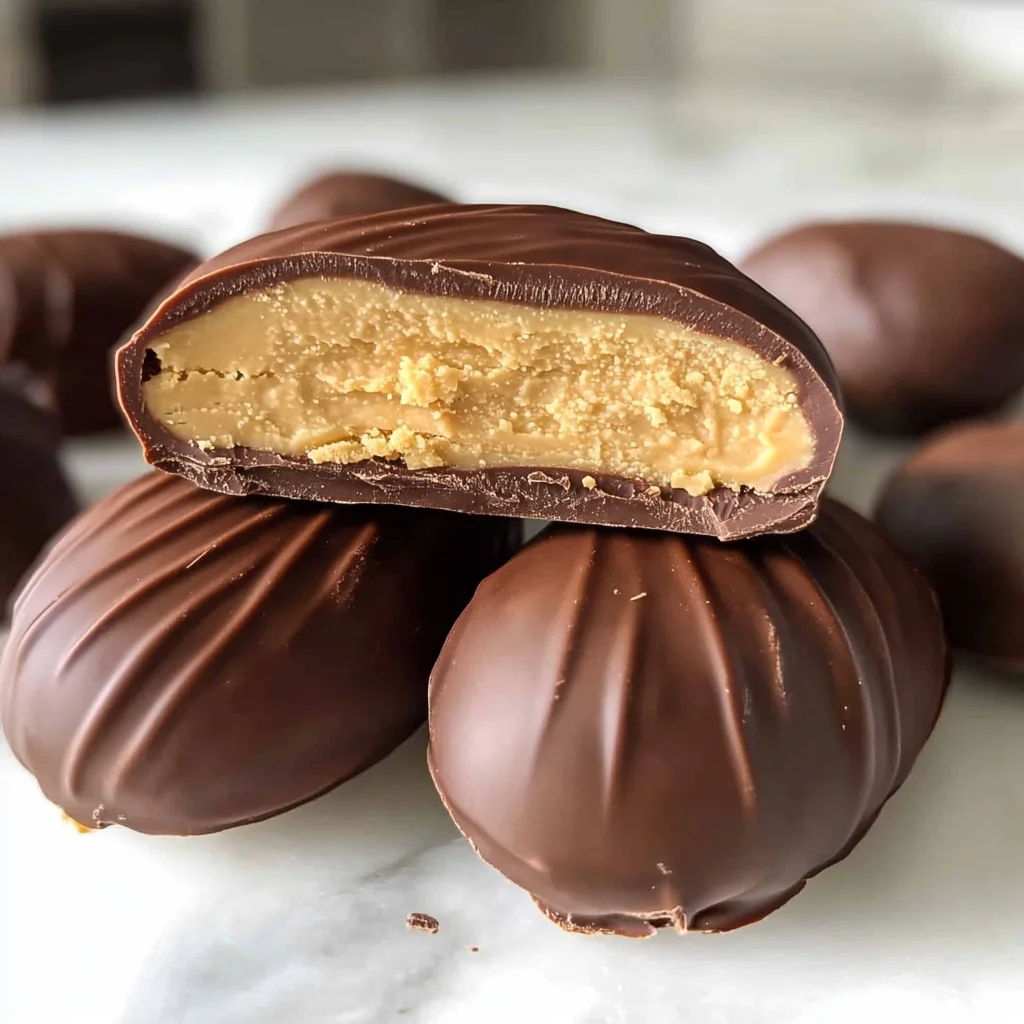
These Homemade Healthy Peanut Butter Eggs are a delightful treat that blends rich flavors with wholesome ingredients. Perfect for any occasion, from holiday gatherings to everyday snacking, this recipe offers a guilt-free way to satisfy your sweet tooth. With low sugar content and gluten-free options, these eggs stand out for their creamy peanut butter center and decadent chocolate coating.
Why You’ll Love This Recipe
- Easy to Make: This simple recipe requires minimal preparation and ingredients.
- Health-Conscious: Enjoy a sweet treat without the guilt—these eggs are low in sugar and gluten-free.
- Customizable Flavors: Feel free to experiment with different nut butters or add-ins to suit your taste.
- Perfect for Celebrations: These peanut butter eggs make excellent homemade gifts for friends and family during special occasions.
Tools and Preparation
To create your healthy peanut butter eggs, you’ll need a few essential tools. Having the right equipment makes the process smoother and more enjoyable.
Essential Tools and Equipment
- Mixing bowl
- Cookie sheet
- Parchment paper
- Microwave-safe bowl
- Forks
Importance of Each Tool
- Mixing bowl: A spacious bowl allows you to easily combine all ingredients without mess.
- Parchment paper: This helps prevent sticking, making it easy to transfer your chocolate-coated eggs once they’ve hardened.

Ingredients
For the Peanut Butter Filling
- 1 cup peanut butter, creamy
- 1/3 cup coconut flour
- 1/4 cup maple syrup
For the Chocolate Coating
- 1 cup chocolate chips, dark or semi-sweet
- 1/2 Tablespoon coconut oil
How to Make Homemade Healthy Peanut Butter Eggs
Step 1: Prepare the Filling
In a medium-sized mixing bowl, combine the peanut butter, coconut flour, and maple syrup. Stir until smooth.
Step 2: Shape the Eggs
Form the mixture into egg shapes by rolling 1-inch balls and flattening them into ovals with your fingers.
Step 3: Freeze the Eggs
Place the ovals on parchment paper on a cookie sheet and freeze for 30 minutes.
Step 4: Melt the Chocolate
Heat the chocolate chips and coconut oil in a small microwave-safe bowl. Microwave in 30-second intervals, stirring between each until completely melted.
Step 5: Coat the Eggs
Using two forks, coat each peanut butter egg in the melted chocolate. Allow excess chocolate to drip off for a few seconds.
Step 6: Harden the Coated Eggs
Transfer each coated egg back onto parchment paper to harden.
Step 7: Optional Decoration
After the chocolate has hardened for a few minutes, drizzle more melted chocolate over each egg for an extra special touch.
Step 8: Refrigerate Until Ready to Serve
Refrigerate the eggs until you are ready to enjoy them.
These healthy peanut butter eggs are sure to become a favorite treat! Enjoy every bite of this delightful homemade snack that is both satisfying and nutritious.
How to Serve Homemade Healthy Peanut Butter Eggs
These delicious homemade healthy peanut butter eggs are perfect for sharing or enjoying on your own. Here are some fun serving suggestions to enhance your experience!
With a Glass of Almond Milk
- Pair your peanut butter eggs with a chilled glass of almond milk for a creamy, nutty combination that complements the flavors perfectly.
On a Dessert Platter
- Arrange the eggs on a colorful dessert platter alongside fresh fruits like strawberries and bananas. This adds a vibrant touch and makes for an appealing presentation.
As an After-Dinner Treat
- Enjoy these peanut butter eggs as a satisfying dessert after dinner. They are sweet enough to satisfy cravings while still being healthier than traditional candies.
Drizzled with Honey
- For an extra touch of sweetness, drizzle some honey over the top before serving. This not only enhances flavor but also adds a beautiful shine to your treats.
In a Snack Box
- Pack these homemade healthy peanut butter eggs in a snack box with nuts and dried fruits for a nutritious grab-and-go option, perfect for busy days or school lunches.
How to Perfect Homemade Healthy Peanut Butter Eggs
Creating the best version of homemade healthy peanut butter eggs can be simple with a few tips. Follow these suggestions to elevate your treat-making game!
-
Use Fresh Ingredients: Always opt for fresh peanut butter and high-quality chocolate chips. This ensures the best flavor and texture in your final product.
-
Chill Properly: After forming the egg shapes, make sure to freeze them thoroughly before coating. This helps maintain their form during the chocolate dipping process.
-
Experiment with Flavors: Consider adding a pinch of sea salt or vanilla extract to the peanut butter mixture for enhanced flavor depth.
-
Adjust Sweetness: If you prefer less sweetness, feel free to reduce the amount of maple syrup in the recipe. Start by cutting it down by one tablespoon and adjust according to taste.
-
Melt Chocolate Slowly: When melting chocolate, do so in short intervals and stir often. This prevents burning and ensures smooth melted chocolate for coating.
-
Store Correctly: Keep any leftovers in an airtight container in the refrigerator. They will stay fresh longer and maintain their texture.
Best Side Dishes for Homemade Healthy Peanut Butter Eggs
Homemade healthy peanut butter eggs are delightful on their own, but pairing them with complementary side dishes can make your dessert experience even better. Here are some great suggestions:
-
Fresh Fruit Salad: A mix of seasonal fruits like berries and melons provides refreshing contrast to the rich peanut butter flavor.
-
Greek Yogurt Parfait: Layer Greek yogurt with granola and honey for a creamy side that adds protein and balances sweetness.
-
Nut Trail Mix: A crunchy blend of nuts and seeds can serve as an excellent companion, offering extra texture alongside your sweet treat.
-
Oatmeal Cookies: Chewy oatmeal cookies can add variety while keeping the theme of wholesome ingredients intact.
-
Chocolate-Dipped Strawberries: These add an elegant touch with their vibrant colors and delectable taste, enhancing your dessert table’s appeal.
-
Homemade Granola Bars: Nutritious granola bars are easy to prepare ahead of time and provide another sweet yet healthy option alongside your peanut butter eggs.
-
Chia Seed Pudding: A light chia seed pudding topped with fresh fruit can serve as a nutritious side dish that’s both tasty and visually pleasing.
-
Rice Cakes with Nut Butter: A simple combination of rice cakes spread with additional nut butter creates a crunchy, satisfying snack option that pairs well with your treat!
Common Mistakes to Avoid
When making Homemade Healthy Peanut Butter Eggs, it’s important to know what pitfalls to avoid for the best results.
- Using the wrong peanut butter: Always choose creamy peanut butter for a smooth texture. Chunky varieties can affect the consistency of your mixture.
- Skipping the chilling step: Freezing the shaped eggs is crucial. Skipping this step will result in a mess when coating them with chocolate, as they may lose their shape.
- Not measuring ingredients accurately: Precision matters in baking. Use proper measuring cups and spoons to ensure you have the right amounts for ideal taste and texture.
- Overheating chocolate: Melt chocolate slowly in the microwave. Overheating can cause it to seize up, ruining your coating.
- Forgetting about optional toppings: If you want to elevate your eggs, don’t forget to drizzle additional melted chocolate on top after they harden for a more appealing finish.
Storage & Reheating Instructions
Refrigerator Storage
- Store in an airtight container in the refrigerator.
- They will last about 1 week if kept properly sealed.
Freezing Homemade Healthy Peanut Butter Eggs
- Place them in a single layer on parchment paper before transferring them to an airtight container or freezer bag.
- These can be frozen for up to 3 months without losing flavor or texture.
Reheating Homemade Healthy Peanut Butter Eggs
- Oven: Preheat to 350°F (175°C). Place eggs on a baking sheet for about 5 minutes until just warm.
- Microwave: Heat one egg at a time for 10-15 seconds. Be careful not to overheat, as this can alter their texture.
- Stovetop: Use a non-stick skillet over low heat. Warm each egg gently for about 1-2 minutes, turning occasionally.
Frequently Asked Questions
Here are some common questions about making Homemade Healthy Peanut Butter Eggs.
Can I use crunchy peanut butter instead?
You can, but using creamy peanut butter will yield a smoother filling and better overall texture.
How do I make these eggs vegan?
To make them vegan, substitute honey with maple syrup and ensure that your chocolate chips are dairy-free.
What can I use instead of coconut flour?
You can try almond flour or oat flour as alternatives, keeping in mind that it may change the texture slightly.
How many servings does this recipe make?
This recipe yields approximately 15 homemade healthy peanut butter eggs, perfect for sharing!
Final Thoughts
These Homemade Healthy Peanut Butter Eggs are not only easy to make but also versatile. You can customize them by adding different nut butters or toppings like crushed nuts and seeds. Try this delicious treat today!
Homemade Healthy Peanut Butter Eggs

Delight in these Homemade Healthy Peanut Butter Eggs—a low-sugar treat that’s easy to make! Try this recipe and enjoy a healthier dessert option today!
- Prep Time: 15 minutes
- Cook Time: 5 minutes
- Total Time: 20 minutes
- Yield: Approximately 15 servings 1x
- Category: Dessert
- Method: No-bake
- Cuisine: American
Ingredients
- 1 cup creamy peanut butter
- 1/3 cup coconut flour
- 1/4 cup maple syrup
- 1 cup dark chocolate chips
- 1/2 tablespoon coconut oil
Instructions
- In a mixing bowl, combine peanut butter, coconut flour, and maple syrup until smooth.
- Shape the mixture into egg-shaped ovals using your hands.
- Freeze the shaped eggs on parchment paper for 30 minutes.
- Melt dark chocolate chips with coconut oil in a microwave-safe bowl, stirring every 30 seconds until fully melted.
- Dip each frozen peanut butter egg into the melted chocolate using two forks to coat evenly.
- Return the coated eggs to parchment paper and allow them to harden.
- Optionally drizzle more melted chocolate on top for decoration before refrigerating until ready to serve.
Nutrition
- Serving Size: 1 serving
- Calories: 150
- Sugar: 5g
- Sodium: 50mg
- Fat: 10g
- Saturated Fat: 3g
- Unsaturated Fat: 6g
- Trans Fat: 0g
- Carbohydrates: 12g
- Fiber: 2g
- Protein: 4g
- Cholesterol: 0mg